


The GRID rules for Social Security Disability are guidelines the Social Security Administration (SSA) uses to determine eligibility for benefits based on age, education, work experience, and residual functional capacity.
These rules help assess whether an individual’s ability to perform certain types of work has been significantly impacted by their medical condition. A Social Security Disability lawyer can help individuals understand how these rules apply to their unique circumstances and how factors like transferable skills or physical limitations may influence the SSA’s decision.
By considering the GRID rules, applicants can better present their case when seeking benefits, particularly if their ability to return to previous work is limited due to their condition.
Overview of the GRID Rules and How They Are Applied
The GRID rules are the medical-vocational guidelines the SSA uses to evaluate disability benefit eligibility. These guidelines are applied during the fifth step of the SSA’s sequential evaluation process, focusing on whether an individual can adapt to other types of work despite their medical condition.
The SSA evaluates four key factors:
- Age: Determines how easily an individual can adjust to new work environments.
- Education: Assesses the ability to acquire new skills or training.
- Work experience: Analyzes past jobs and transferable skills.
- Residual Functional Capacity (RFC): Measures physical and mental limitations caused by the medical condition.
These factors collectively help the SSA decide if an applicant qualifies for benefits.
Age Categories and Their Impact on the GRID Rules
Age plays a significant role in determining eligibility under the GRID rules, as it affects an individual’s ability to adapt to new types of work. The Social Security Administration (SSA) divides applicants into specific age categories:
- Younger individuals (under 50): Generally expected to adjust more easily to new types of work, even with certain limitations.
- Closely approaching advanced age (50–54): Considered less adaptable to significant changes in work due to age-related challenges.
- Advanced age (55 and older): Greater emphasis is placed on whether the individual can transition to less physically demanding or skilled work.
The GRID rules recognize that as a person ages, retraining or finding new employment becomes increasingly difficult, which may strengthen their case for disability benefits.
Education Levels and Skills Assessment in the GRID Rules
Education and transferable skills play a key role in determining eligibility for disability benefits under the GRID rules. The Social Security Administration (SSA) evaluates an applicant’s educational background to assess their ability to perform or adapt to different types of work.
- Education levels: Applicants are categorized based on their level of formal education, such as limited education, high school completion, or higher education. Those with a lower education level may be considered less likely to transition to new work requiring advanced skills or knowledge.
- Transferable skills: The SSA examines whether skills acquired from past jobs can be applied to other types of work. Skills that are specific to one job and not easily adaptable may strengthen a claim for disability benefits.
These factors help the SSA determine if an applicant can successfully transition to other employment despite their limitations.
Contact our social security disability lawyers today
(864) 235-0234Work Experience and Residual Functional Capacity (RFC)
Work experience and Residual Functional Capacity (RFC) are critical components in determining disability eligibility under the GRID rules.
- Work experience: The Social Security Administration (SSA) evaluates an applicant’s past jobs to identify the type of work they previously performed and whether they acquired transferable skills. Jobs are categorized by skill levels (unskilled, semi-skilled, or skilled), and the SSA analyzes whether an individual’s skills can be applied to other types of work.
- Residual Functional Capacity (RFC): RFC is an assessment of an individual’s physical and mental abilities despite their medical condition. It evaluates what tasks a person can still perform, such as lifting, walking, sitting, or concentrating. RFC is categorized into exertional levels, including sedentary, light, medium, and heavy work.
The combination of work experience and RFC helps the SSA determine if a person can return to their previous job or adjust to other work despite their limitations.
When the GRID Rules Don’t Apply
The GRID rules are not always relevant in every Social Security Disability case. Certain situations fall outside the scope of these guidelines, requiring a different approach to determine eligibility.
For example, younger individuals (under age 50) with severe impairments may not fit neatly into the GRID framework because they are generally expected to adjust to new types of work. Instead, their claims are often evaluated based on the severity of their medical condition and its direct impact on their ability to perform any substantial gainful activity.
Additionally, the GRID rules may not apply if someone’s impairments meet or equal a specific medical listing in the SSA’s Blue Book, as this would qualify them for benefits without further vocational analysis.
Complete a Free Case Evaluation form now
Contact UsHow a Social Security Disability Lawyer Can Assist
A Social Security Disability lawyer can provide critical support in navigating the complexities of the GRID rules. Their guidance includes:
- Analyzing eligibility: Assessing how age, education, work experience, and residual functional capacity (RFC) align with the GRID rules.
- Gathering evidence: Collecting and organizing medical records, work history, and other documentation to strengthen the case.
- Presenting limitations clearly: Framing the applicant’s impairments in a way that demonstrates how they prevent substantial gainful activity.
- Advocating during hearings: Representing the applicant in front of an Administrative Law Judge (ALJ) and addressing any challenges raised by the SSA.
Let Our Social Security Disability Attorneys Help
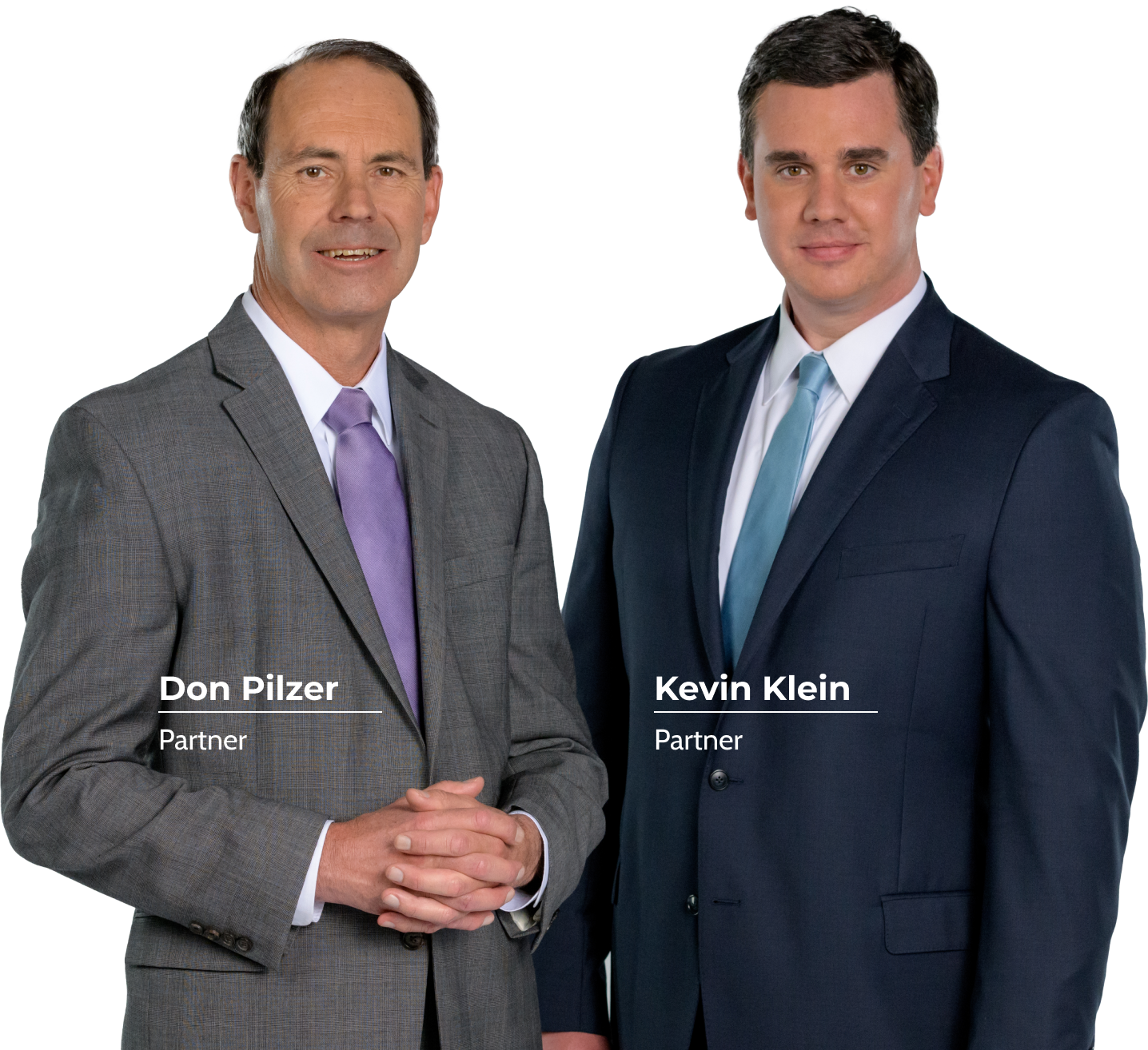
At Pilzer Klein, we focus exclusively on Social Security Disability cases, providing clients with the personalized attention they deserve. From the very start, all new clients speak directly with an attorney, not a non-attorney representative.
Your attorney will meet with you well in advance of your hearing to ensure your case is fully prepared. We also take care of gathering all necessary medical evidence, so you don’t have to. Best of all, there are no fees or costs if we don’t win your case.
Call Pilzer Klein today. Let our experienced team fight for the benefits you deserve.
Call or text (864) 235-0234 or complete a Free Case Evaluation form