


What increases your chances of being approved for disability? Approvals generally come down to three things: solid medical documentation that clearly reflects your limitations, an application built on that foundation, and in many cases, your age working in your favor.
The Social Security Administration denies the majority of initial applications, and most of those denials come down to gaps in evidence, not the severity of the condition itself. A Social Security Disability lawyer can make a real difference here, not by changing your medical history, but by making sure the evidence you already have is presented in the clearest, most complete way possible.
Let’s look at what exactly moves the needle, and what tends to get claims denied even when the underlying condition is genuine.
Your Medical Records Do Most of the Talking
If there is one thing that carries more weight than anything else in a disability claim, it is your medical documentation. The SSA is not going to take your word for how much pain you are in or how limited your daily functioning has become. They are going to look at your medical records.
That means the frequency of your visits matters. If you have a serious medical condition but only see a medical provider once a year, the SSA may question how severe it really is. Consistent, ongoing medical treatment paints a clearer picture of a condition that genuinely affects your life.
What the SSA Is Looking For in Your Medical Records
The SSA wants to see:
- A confirmed diagnosis from a treating medical provider
- A documented history of medical treatment over time
- Specific functional limitations, not just symptoms
- Notes on how your medical condition responds to your treatment plan
- Any side effects from medication that affect your ability to work
If your medical records are thin, inconsistent, or don’t clearly connect your diagnosis to your limitations, that gap becomes a problem in your disability claim. This is one of the most common reasons otherwise valid claims face a claim denial.
The Difference Between a Diagnosis and a Documented Limitation
This is a distinction that trips up a lot of applicants. Having a diagnosis is not the same as having supporting documentation that proves your medical condition prevents you from working.
Residual Functional Capacity
The SSA evaluates something called your Residual Functional Capacity, or RFC, which is essentially an assessment of what you can still do despite your condition. Can you lift more than 10 pounds? Sit for six hours in a workday? Concentrate well enough to follow instructions?
Your RFC is built directly from your medical records and influences whether the SSA believes you can perform your past work or any other work in the economy.
A written statement from a treating medical provider that documents your specific functional limitations can carry significant weight here, and becomes some of the most valuable supporting documentation in your file.
Age, Education, and Work History Play a Role
The SSA does not evaluate every disability application the same way. Your age, your level of education, and your work history are all factored into a set of guidelines called the Medical-Vocational Guidelines, commonly known as the Grid Rules.
For applicants over 55, it can be easier to get approved for disability. The SSA recognizes that the older you are, the harder it is to transition into a completely different line of work. If your medical condition limits you to sedentary or light work and your entire work history has been physically demanding, that history becomes directly relevant to your approval for Social Security Disability benefits.
For applicants who are younger or have more education, the SSA may determine that you could adjust to other types of work even with your limitations, which makes the medical evidence even more critical to your disability claim.
Contact our social security disability lawyers today
(864) 235-0234Increase Your Chances of Disability Approval by Knowing What Causes Claim Denials
Knowing what weakens a disability claim is just as useful as knowing what strengthens one. These are the most common reasons valid claims face a claim denial:
- Lack of Medical Evidence: If your medical records don’t clearly document your limitations, the SSA has nothing concrete to base an approval on.
- Inconsistencies in Treatment: If you started and stopped treatment, the SSA will believe your condition is manageable. If you could not afford or access care, it’s important to document the reasons.
- Earning Above the Limit: Exceeding the Substantial Gainful Activity threshold in gross monthly income, meaning before taxes, not your actual take-home, results in an automatic denial before your medical records are ever reviewed. There is no earnings amount that puts you in safe territory during a pending claim. Discuss any work decisions with a disability attorney first.
- Failing to Follow Your Treatment Plan: If your medical provider recommended a treatment plan and you didn’t follow through, the SSA will want to know why. Without a valid reason, it can be used to question the severity of your condition.
- Missing Deadlines or Filing Errors: The application process and appeal process both have strict deadlines. Missing them can mean starting over or losing your right to appeal entirely.
Complete a Free Case Evaluation form now
Contact UsTalk to Someone Who Handles This Every Day
If you are trying to figure out how to give your Social Security Disability Insurance claim the best possible chance, the most useful next step is a direct conversation with someone who knows this process from the inside.
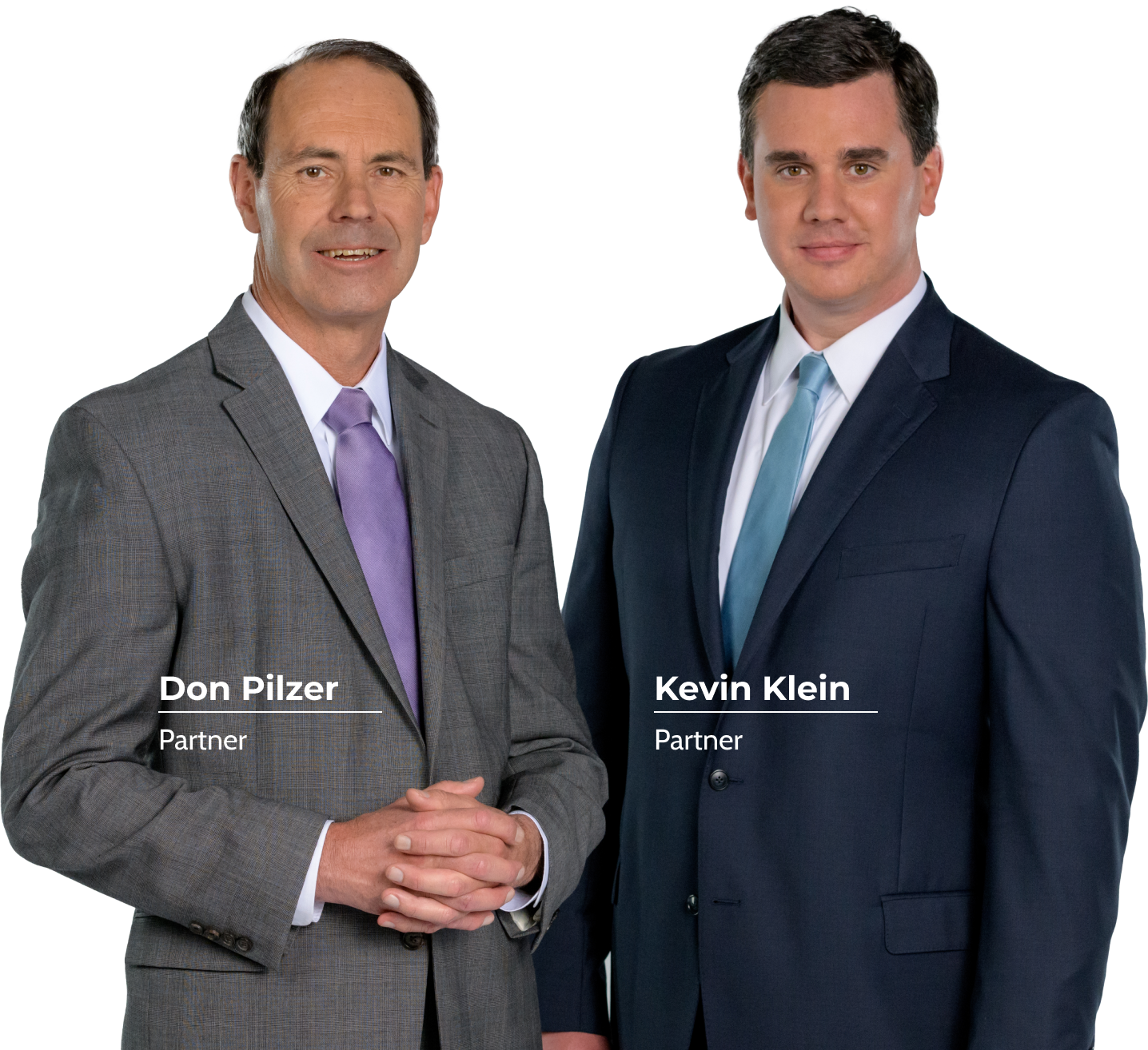
Pilzer Klein offers a free, no-obligation claim review for people across North Carolina. Your disability claim gets a real look from someone who understands how medical evidence, work history, medical conditions, residual functional capacity, and the full application process all interact in an SSDI claim.
There is no cost to find out where you stand. If your case isn’t won, you pay nothing. Reach out today and get a clear picture of what your disability claim actually needs.
Call or text (864) 235-0234 or complete a Free Case Evaluation form